Save Money, Slash Emissions: Everyday Essentials Without the Packaging


Today we explore cost and carbon savings from switching to package-free daily products, from soaps and shampoos to detergents, toothpaste, and pantry basics. We translate receipts and emissions into clear household numbers, share real stories, and outline practical steps that work even on hurried weekdays. Expect side-by-side cost comparisons, science-backed carbon math, and useful checklists. Try a one-week swap challenge, share your results in the comments, and subscribe for follow-ups where we test new ideas and refine strategies together for tangible, trackable progress.

The Hidden Price of Packaging

A Smooth Switch for Busy Routines
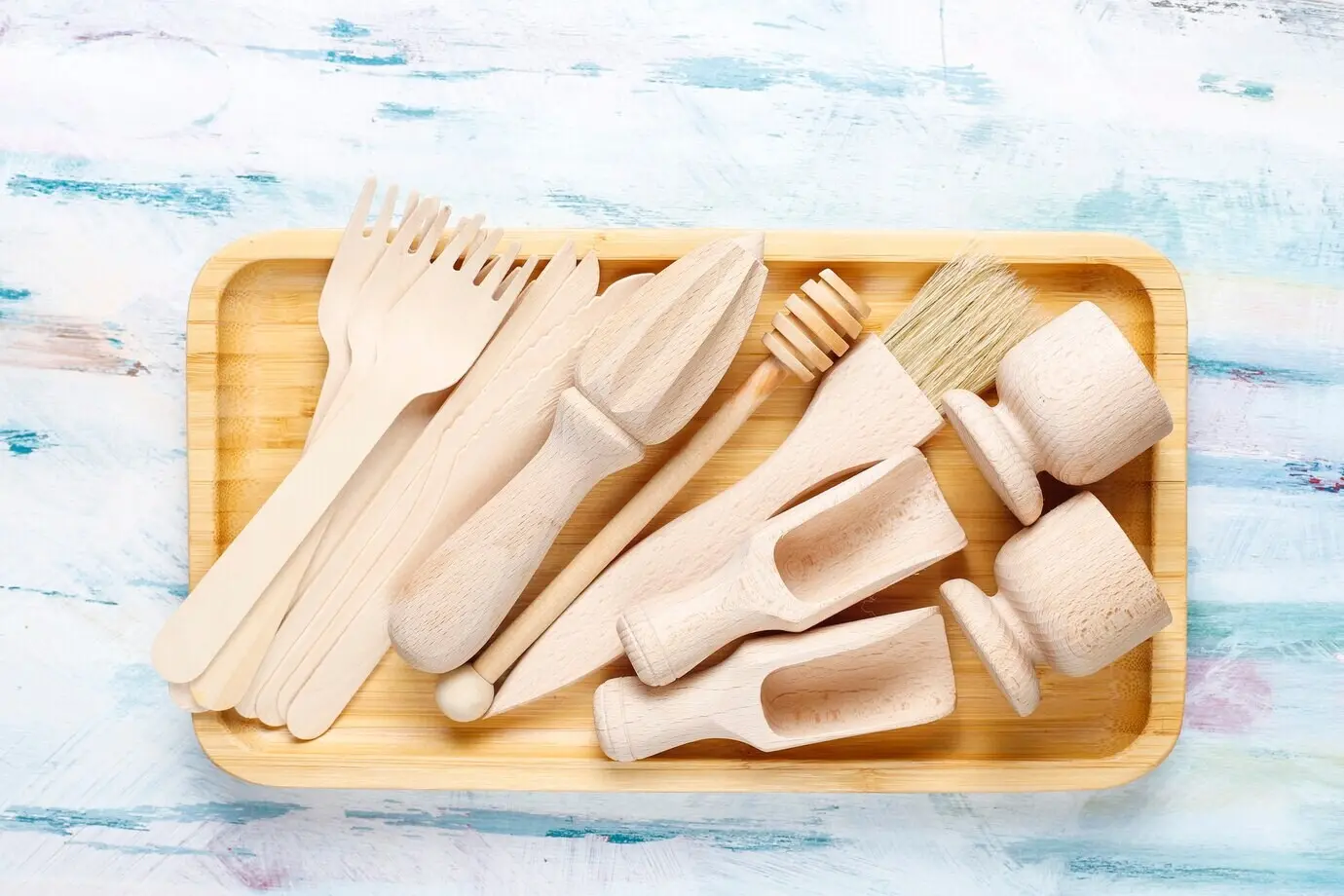
Change sticks when it’s easy, pleasant, and reliably available. Instead of overhauling everything, start with one high-impact product and build momentum with small wins. Pair durable containers with convenient refill points or low-waste delivery, and match quantities to your actual consumption. We provide scripts for household conversations, storage tips for apartments, and backup plans for travel. Comment with your constraints—pets, children, roommates—and we will share tailored solutions from readers who’ve already solved similar challenges in tight, real-world schedules.
Spend one week tracking what packaging hits your bin most frequently by weight or volume. Many households discover detergent jugs, shampoo bottles, soap dispensers, and snack wrappers dominate. Target the largest, easiest categories first, where refills, bars, or bulk purchases exist locally. Take photos to visualize progress and keep motivation high. Share your audit snapshot and first swap plan; we will amplify creative fixes, highlight regional resources, and invite experienced readers to recommend reliable suppliers in your area.
Choose containers you love using, because delight sustains habits. Glass, stainless steel, and sturdy silicone work well for bathrooms and kitchens, with pumps or tins sized to actual consumption. Label clearly, track refill dates, and store backups sensibly. For travel, lightweight tins and solid bars minimize leaks and screenings. Post photos of your setup, list any failures, and we will crowdsource elegant redesigns. Longevity emerges when design meets convenience, ensuring a smoother workflow that withstands busy seasons and minor disruptions gracefully.
Layer refills into existing errands: grocery runs, gym visits, or commuting routes. Combine community buying groups for bulk deliveries, splitting costs and packaging. Subscription options with minimal, recyclable mailers can work if local refills are scarce. Keep an emergency buffer to avoid last-minute packaged purchases. Share your route map and preferred vendors, and we will compile regional directories. The goal is zero special trips, lower freight emissions per unit, and a rhythm that feels effortless rather than a chore.

Stories That Count: Real Households, Real Numbers

A Student’s Small Apartment Challenge

With limited space and a tight budget, one student switched to a shampoo bar, refill dish soap, and bulk laundry powder stored in two stackable jars. Over three months, receipts showed a fifteen percent cost drop and an estimated seven kilograms CO2e avoided. The biggest win was fewer last-minute purchases at convenience markups. They posted shelf photos, won a roommate’s support, and challenged classmates to swap one product. Comment with your dorm or studio hacks, and we will feature the cleverest space savers.

A Family of Four Finds Momentum

With limited space and a tight budget, one student switched to a shampoo bar, refill dish soap, and bulk laundry powder stored in two stackable jars. Over three months, receipts showed a fifteen percent cost drop and an estimated seven kilograms CO2e avoided. The biggest win was fewer last-minute purchases at convenience markups. They posted shelf photos, won a roommate’s support, and challenged classmates to swap one product. Comment with your dorm or studio hacks, and we will feature the cleverest space savers.

An Office Kitchen Goes Package-Light

With limited space and a tight budget, one student switched to a shampoo bar, refill dish soap, and bulk laundry powder stored in two stackable jars. Over three months, receipts showed a fifteen percent cost drop and an estimated seven kilograms CO2e avoided. The biggest win was fewer last-minute purchases at convenience markups. They posted shelf photos, won a roommate’s support, and challenged classmates to swap one product. Comment with your dorm or studio hacks, and we will feature the cleverest space savers.

Bars vs. Bottles: Life-Cycle Carbon

Shampoo bars often outperform bottled liquids by avoiding large plastic containers and shipping less water. However, real results depend on formulation, usage rate, and packaging materials for the bar itself. A good rule: compare grams used per wash, distance traveled, and container reuse count. We provide a simple calculator to input your scenario. Post your numbers, critique the factors, and help refine default values. Better assumptions mean better decisions, and communal transparency keeps us honest when trade-offs appear unexpectedly.

Distance Matters: Freight and Refills

Freight emissions rise with distance and weight, so concentrated refills and local producers typically shine. Still, a remote refill shipped efficiently can beat repeated heavy bottles purchased nearby. Evaluate mode of transport, packaging efficiency, and order bundling. Where possible, coordinate neighborhood buys to dilute last-mile impacts. Tell us the closest refill stations, any bike-delivery options, and delivery schedules that align with your week. Together, we can reveal the practical sweet spots that outcompete business-as-usual both economically and environmentally.

Myths, Hygiene, and Practical Hiccups

Concerns about cleanliness, cost, and convenience can stall great ideas. We address sanitation standards for refills, compare price curves across months, and map availability pathways even in low-access areas. By acknowledging friction, we design resilient routines that keep benefits without sacrificing safety or dignity. Add your toughest questions and we will test them with experts, publish corrections when needed, and maintain an evolving guide that respects skepticism while empowering action grounded in trustworthy evidence and repeatable personal experience.

Track Impact, Share Wins, Grow Community
Measurement turns good intentions into confident progress. Choose a few metrics—dollars saved, kilograms of packaging avoided, kilograms of CO2e reduced—and track them monthly. Visible numbers reinforce habits and make conversations persuasive with family, friends, or colleagues. We offer a simple tracker you can duplicate. Post your baseline, check in after four weeks, and celebrate milestones. Your feedback will shape better tools, regional guides, and product tests that help everyone move faster together without sacrificing practicality or joy.

Metrics That Motivate

Start with quick wins: count bottles avoided and estimate carbon using conservative defaults. Add costs saved to connect impact with budgeting priorities. Tag each swap with a tiny ritual—photos, calendar notes, or a shared chat update. Over time, layer precision as needed. Comment with your preferred metrics, and we will adapt the tracker to reflect real-life constraints. When the numbers feel meaningful and easy to capture, momentum builds, and a household’s small changes scale into community influence naturally.

Tools You Can Actually Keep Using

Complicated apps stall; simple sheets and reminder nudges work. We provide printable checklists, a lightweight spreadsheet, and optional integrations with calendar or task tools already on your phone. No new accounts required. Tell us what format fits your routine, and we will publish variants. Tools should survive hectic weeks, vacations, and unexpected disruptions. By lowering friction, you keep measuring, keep refining, and keep saving. Small, consistent tracking beats ambitious, abandoned systems every time, especially when shared with supportive peers.
Mikilefazaxoteke
Privacy Overview

This website uses cookies so that we can provide you with the best user experience possible. Cookie information is stored in your browser and performs functions such as recognising you when you return to our website and helping our team to understand which sections of the website you find most interesting and useful.