Plastic-Free Daily Essentials, Made Effortless
Today we dive into plastic-free daily essentials with practical, joyful swaps for every routine. From your first sip of morning water to lights-out at night, discover simple changes that reduce waste, protect oceans, and save money without sacrificing comfort, style, or convenience. Expect honest tips, real-world anecdotes, and small wins that build momentum. Start where you are, use what you have, and let these ideas guide you toward lighter living and long-lasting habits that genuinely fit your life.

Start With a Mindful Home Audit

Before buying anything new, walk through your day and notice where plastic sneaks in: packaging, single-use containers, hidden linings, synthetic fibers, and throwaway habits. This gentle audit builds awareness without blame, revealing easy, high-impact switches. Capture quick notes by room, highlight your most frequent disposables, and celebrate low-plastic wins you already practice. This clarity prevents impulse purchases, focuses your energy, and makes every swap feel purposeful, sustainable, and kind to your budget.

Kitchen Swaps That Actually Stick

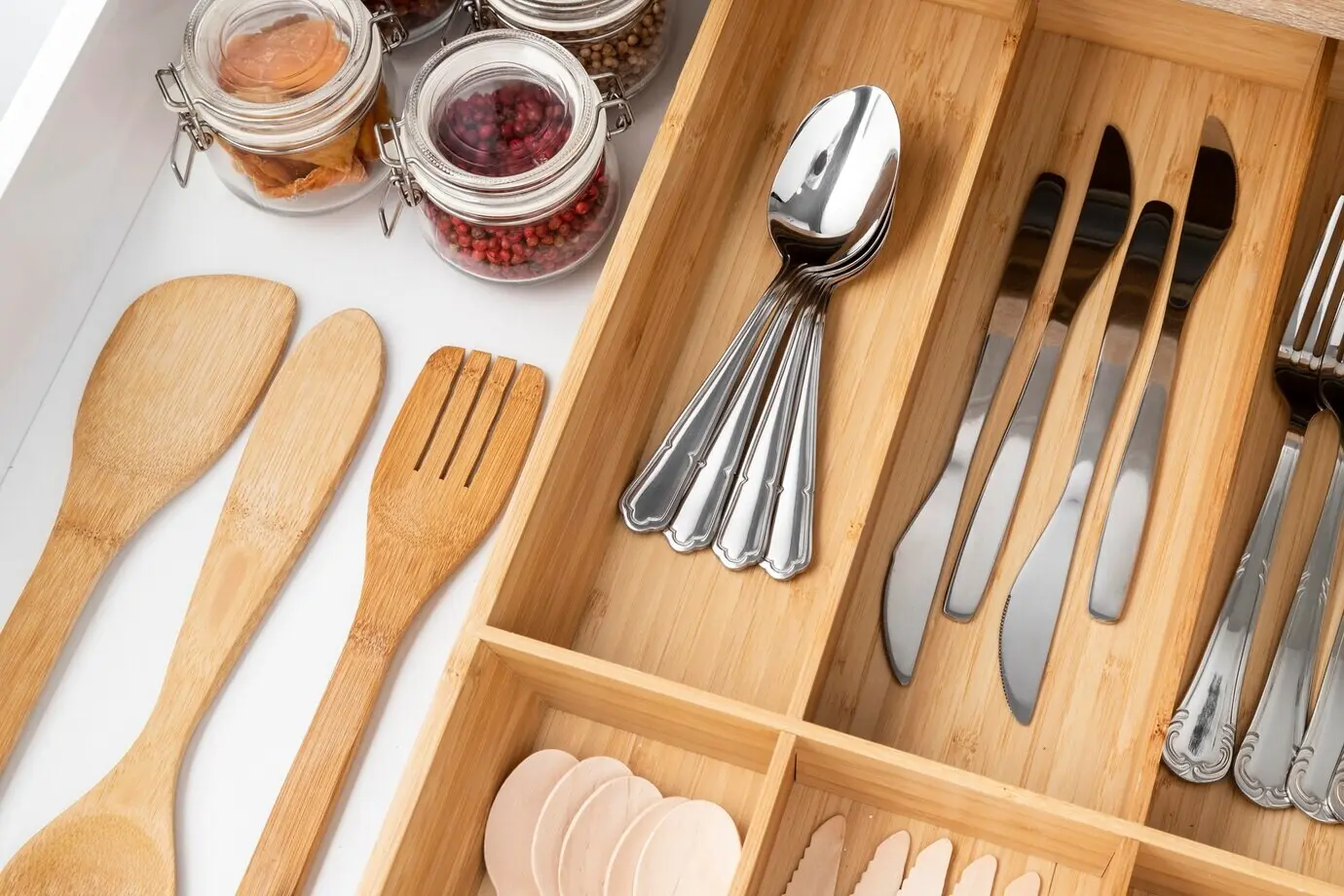
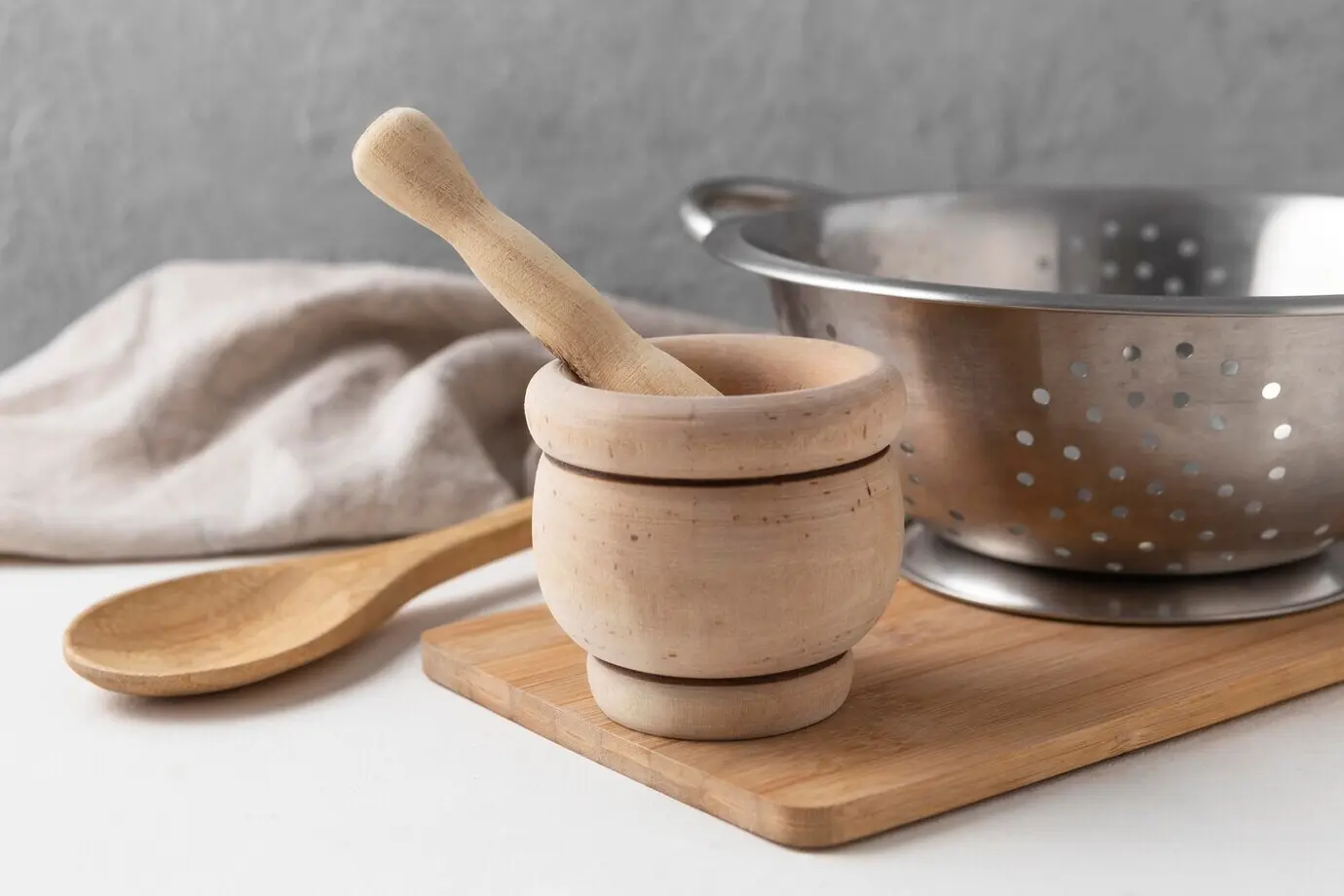
A plastic-light kitchen is built on durable, easy-to-clean, truly useful tools. Prioritize multifunctional pieces that last decades and bring joy to use: glass jars, stainless containers, cast-iron skillets, wooden spoons, and linen or cotton cloths. Choose beeswax wraps or washable bowl covers instead of cling film, and keep a refill station for staples. Remember to label jars clearly with dates to cut food waste. These calm, reliable systems outcompete convenience because they simply work, meal after meal.

Storage Without Plastic

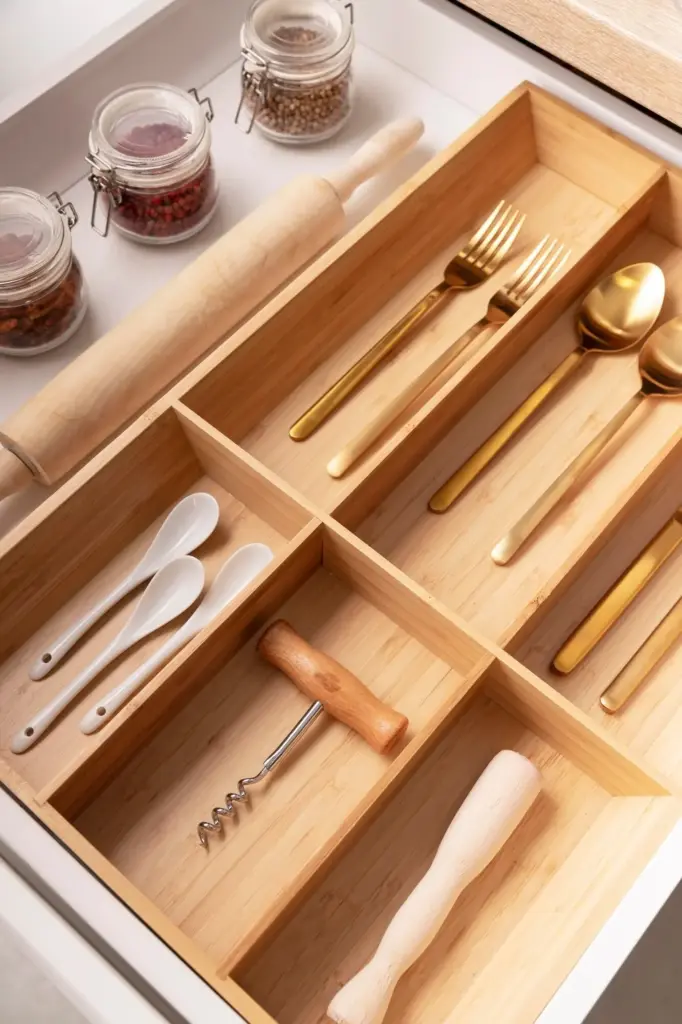
Transform shelf chaos into a clear, attractive pantry using glass jars, repurposed bottles, and stainless tins. Store grains, nuts, beans, and snacks by category, and write tare weights on lids for bulk refills. Beeswax wraps and cotton bowl covers replace cling film for leftovers; baking sheets double as stackable trays inside the fridge. Freeze soups in wide-mouth jars with headspace for expansion. This organized rhythm reduces waste, saves time, and makes cooking genuinely easier and more joyful.

Cookware That Lasts

Build a toolkit that loves high heat and heavy use: cast iron for perfect sears, stainless steel for everyday reliability, enamelled pots for gentle soups, and wooden utensils that spare your pans. Ditch flaking nonstick: season cast iron properly and enjoy naturally slick surfaces. Swap plastic spatulas for metal or wood, and choose natural-fiber pot holders. With a few resilient heroes, you’ll cook better, avoid surprise replacements, and feel peace knowing your tools age gracefully without shedding microplastics.

Bath, Body, and Beauty Without the Bottles

Try shampoo and conditioner bars that lather richly and rinse clean, paired with a gentle soap bar suited to your skin. Place bars on well-drained dishes to extend life and avoid mush. Shave with a safety razor and a slick shaving bar, using short strokes and no pressure. Many discover improved hair and skin balance after ditching harsh detergents. Travel becomes effortless with compact tins. Each swap removes several bottles a year, shrinking clutter and plastic footprint together.
Choose a bamboo toothbrush with compostable bristles where possible, or long-lasting replaceable-head options. Toothpaste tablets in tins eliminate messy tubes, and silk or bio-based floss in refillable glass vials replaces plastic dispensers. Rinse cups can be glass or enamel, sturdy and clean. Keep a tiny tin of tablets in your bag for spontaneous nights away. These upgrades feel elegant, hygienic, and practical, turning the sink into a tidy, low-waste station that supports daily consistency without effort.
Locate a nearby refill shop or arrange bulk deliveries for soap, moisturizer, and household staples. Decant into sturdy glass pumps and label clearly. Schedule quarterly refill days and involve family members so habits stick. If local options are limited, prioritize concentrated products in paper or glass and avoid unnecessary extras. Reusing containers keeps your space cohesive and beautiful, while cutting costs over time. The ritual becomes community-building too, as refilleries often share tips and host skill-swapping events.

On-the-Go Habits for Busy Days

An Everyday Carry That Works

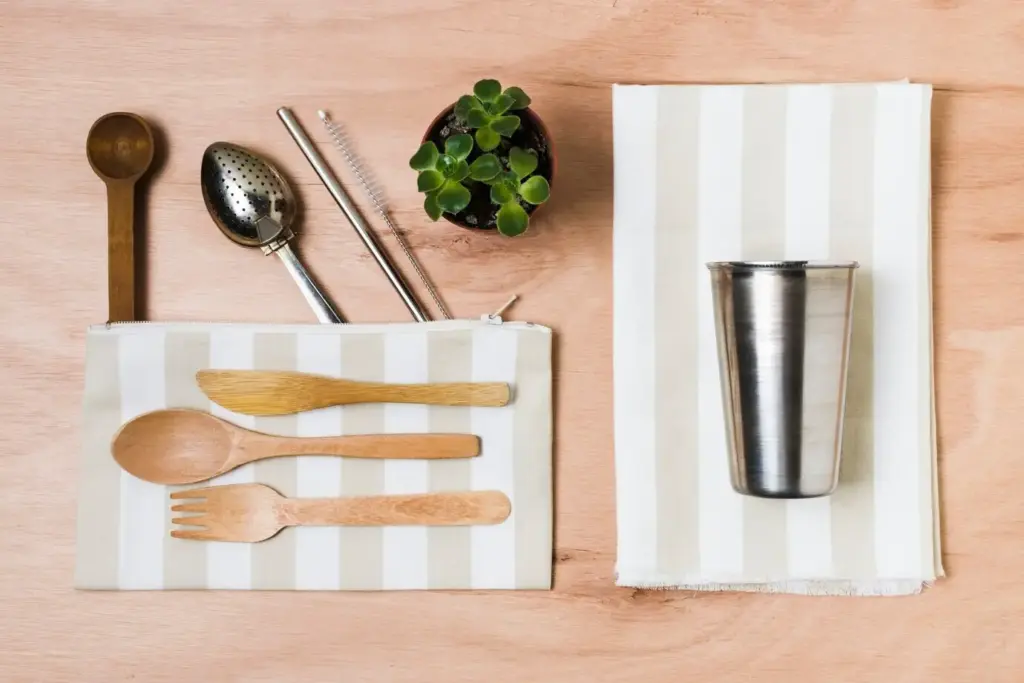
Pick items you love to handle: a bottle that fits your hand, a cup that seals tight, utensils that feel sturdy, and a soft napkin that doubles as a placemat. Keep a tiny jar for sauces or leftovers. Replace disposable tissues with a handkerchief. This kit becomes second nature after a week, removing decision fatigue and last-minute purchases. You’ll sip comfortably, avoid soggy lids, and glide past waste bins, leaving behind quiet ripples of lighter living everywhere you go.

Food on the Move, Kindly

Pick items you love to handle: a bottle that fits your hand, a cup that seals tight, utensils that feel sturdy, and a soft napkin that doubles as a placemat. Keep a tiny jar for sauces or leftovers. Replace disposable tissues with a handkerchief. This kit becomes second nature after a week, removing decision fatigue and last-minute purchases. You’ll sip comfortably, avoid soggy lids, and glide past waste bins, leaving behind quiet ripples of lighter living everywhere you go.

Travel Smarter, Pack Lighter

Pick items you love to handle: a bottle that fits your hand, a cup that seals tight, utensils that feel sturdy, and a soft napkin that doubles as a placemat. Keep a tiny jar for sauces or leftovers. Replace disposable tissues with a handkerchief. This kit becomes second nature after a week, removing decision fatigue and last-minute purchases. You’ll sip comfortably, avoid soggy lids, and glide past waste bins, leaving behind quiet ripples of lighter living everywhere you go.

Laundry and Cleaning That Respect Waterways
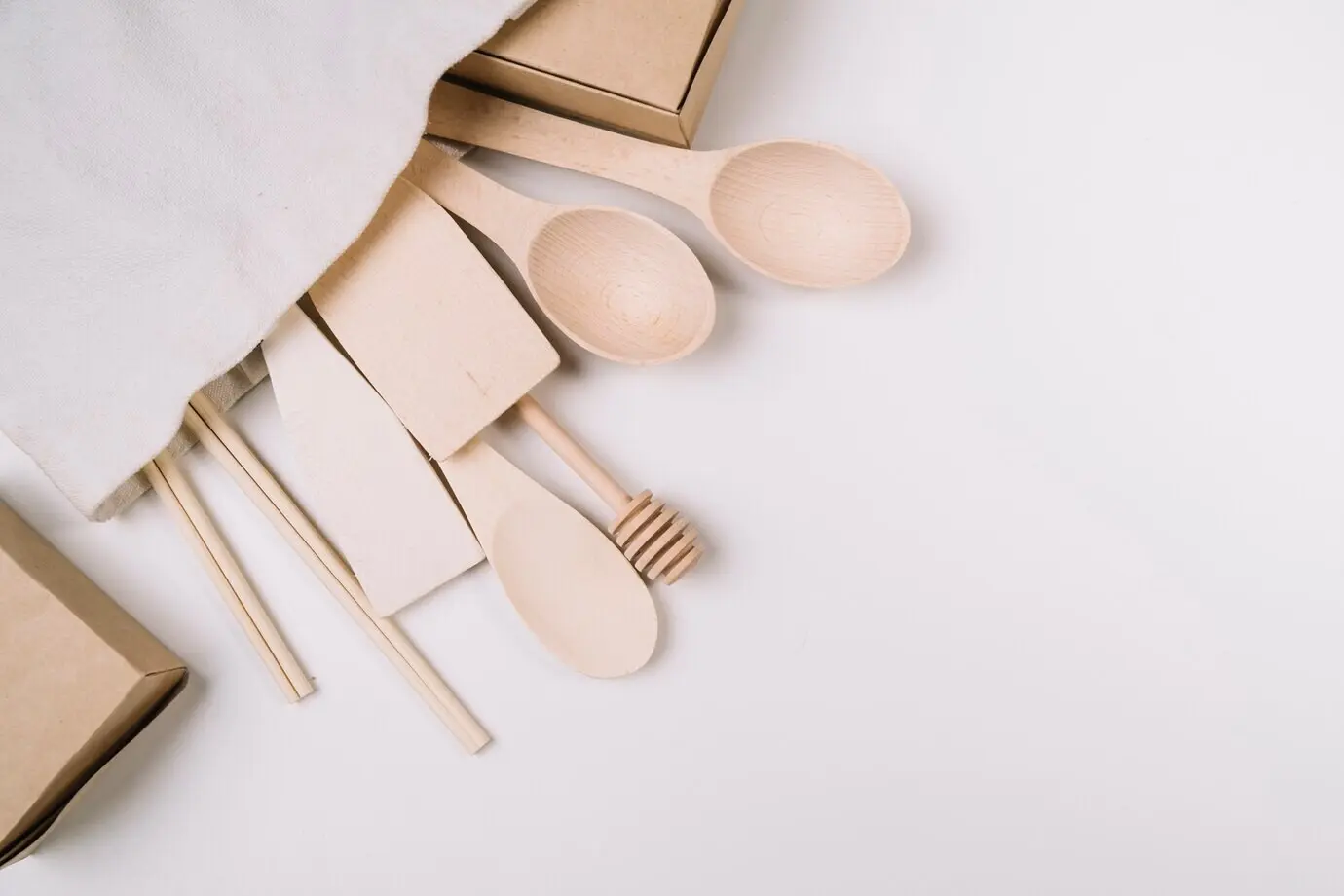
True cleanliness includes what leaves the drain. Choose powdered detergent in paper or bulk refills, skip plastic pods, and favor unscented formulas that rinse clean. Wash cooler, air-dry when possible, and prioritize natural-fiber clothing to reduce microplastic shedding. Wooden brushes, copper scrubbers, and cellulose sponges replace plastic tools without sacrificing performance. Simple staples—vinegar, baking soda, and castile soap—tackle most jobs. You’ll save money, simplify drawers, and protect rivers and oceans with every gentle, effective routine.

Mindset, Budget, and Community

Plastic-free progress grows from kindness to yourself. Use what you already own, replace only when needed, and track savings from refills and reusables. Thrift shops and community groups often supply jars, cloths, and sturdy cookware at friendly prices. Expect imperfect days and celebrate the next chance to try again. Share successes with neighbors, ask stores for better packaging, and spotlight local refilleries. Momentum builds through connection, curiosity, and cheerful persistence more than perfection ever could.
Mikilefazaxoteke
Privacy Overview

This website uses cookies so that we can provide you with the best user experience possible. Cookie information is stored in your browser and performs functions such as recognising you when you return to our website and helping our team to understand which sections of the website you find most interesting and useful.