Glass, Stainless Steel, or Bamboo? Choose Smarter Reusables Today
Every refill counts, but material choice shapes safety, durability, taste, and footprint. Here we compare glass, stainless steel, and bamboo across everyday reusables—from bottles and food containers to straws and cutlery—so you can match performance to your routines, values, and budget. Expect practical tips, scientific context, and real‑life anecdotes that shorten the learning curve. Share your experiences, ask questions, and help others switch confidently without wasting money on the wrong gear.
How Each Material Is Made and Why That Matters
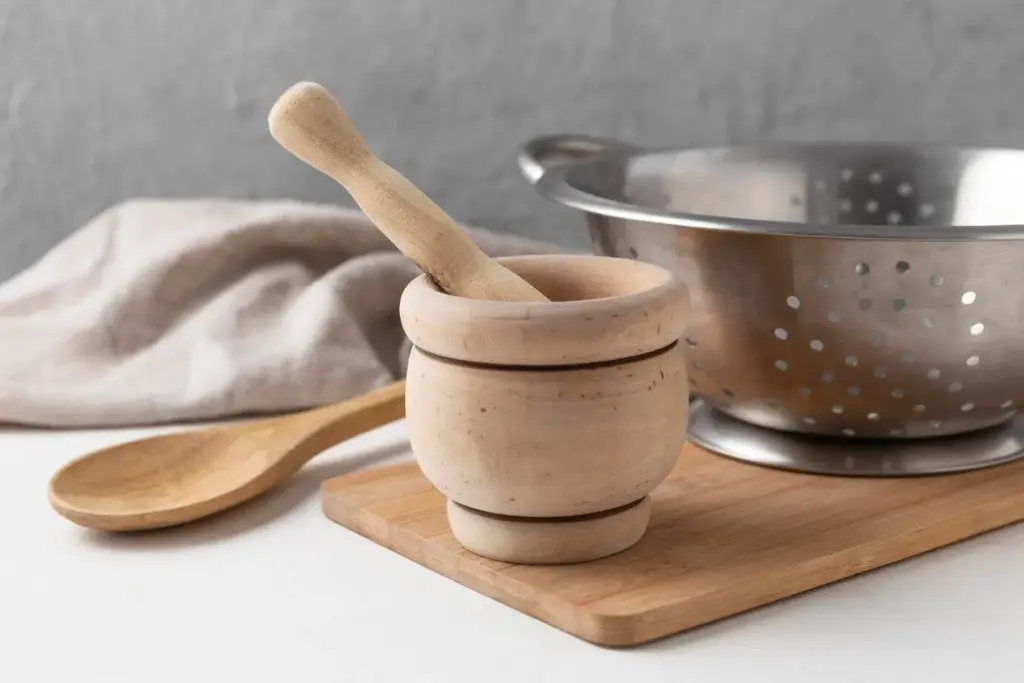
Understanding the origin of your bottle, container, or utensil explains why it feels a certain way, resists odors, or survives accidental drops. Glass begins as sand transformed by heat, stainless steel is iron alloyed for resilience, and bamboo is a fast‑growing grass engineered into usable forms. Production steps influence cost, carbon footprint, and practical longevity, guiding a smarter choice for daily coffee runs, meal prep, and travel hydration.
Flavor Neutrality and Acidity
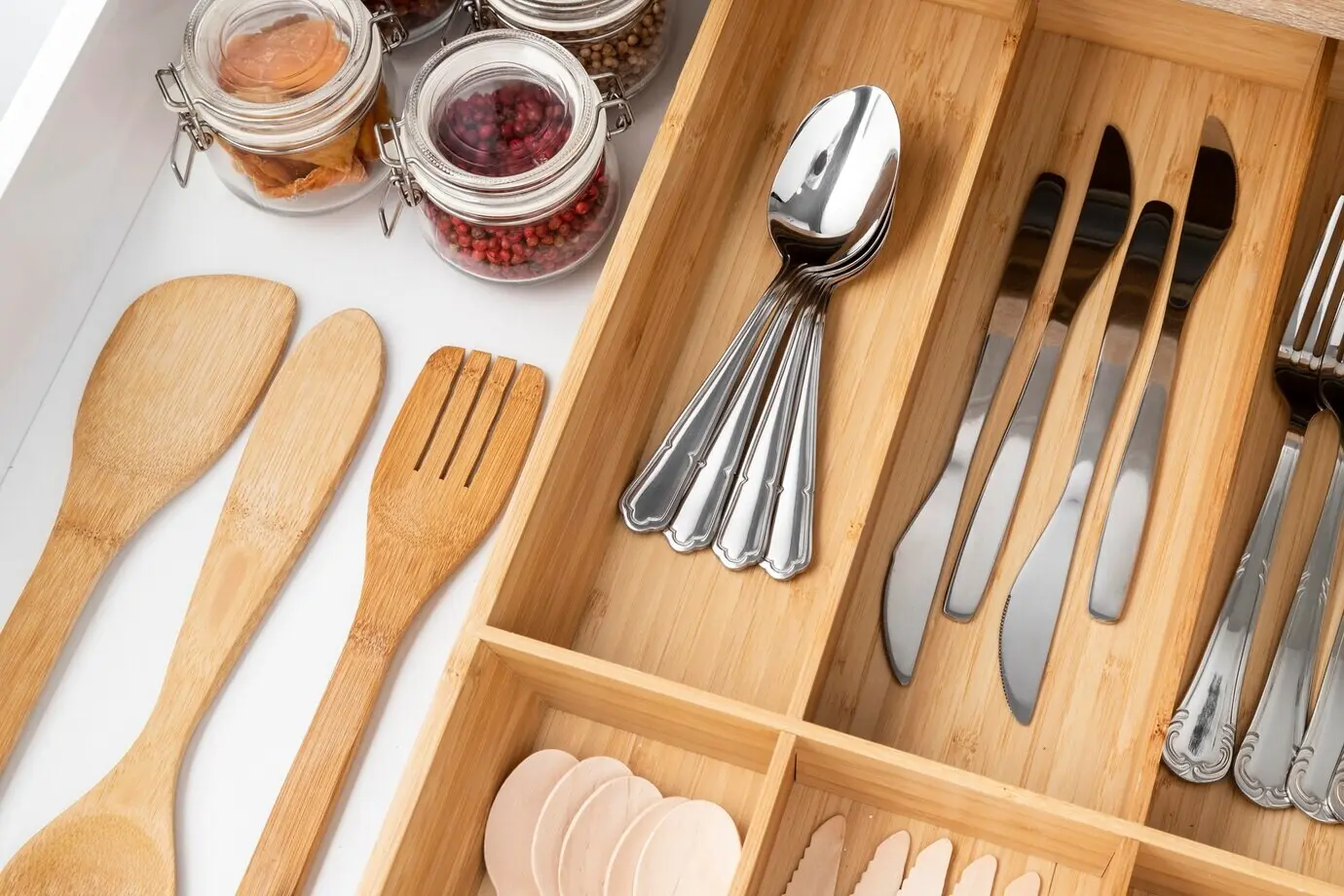
If pure taste matters, glass usually wins because it’s nonporous and chemically stable, even with citrus, vinegar, or tomato sauces. Stainless steel is excellent but may carry a faint metallic note for very sensitive palates, especially with long storage. Bamboo tends to be taste‑neutral for quick use, yet prolonged soaking or trapped moisture can introduce odors. Pair materials with intended use: quick drinks, hot soups, or overnight storage.
Heat, Cold, and Insulation
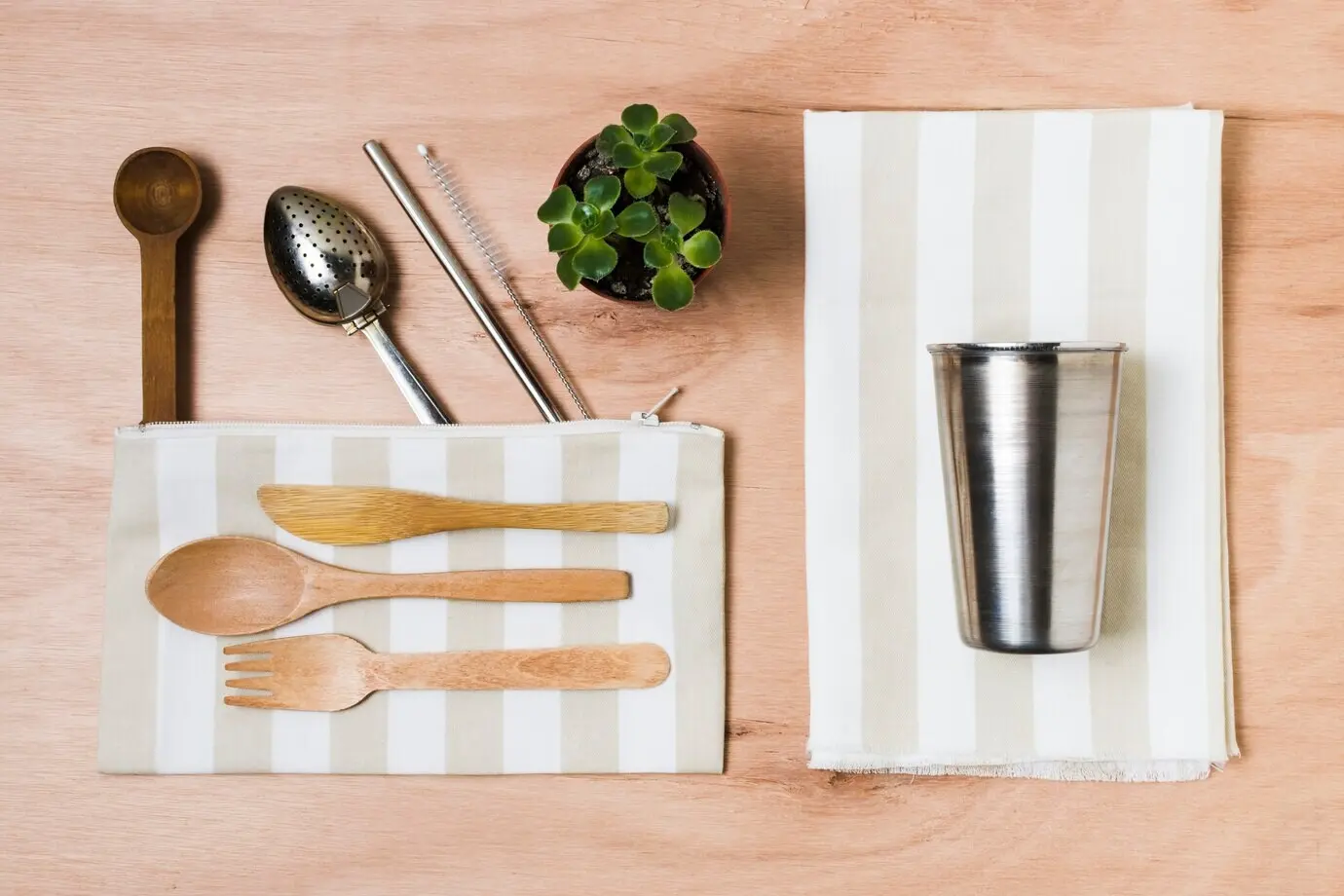
Double‑wall vacuum stainless steel excels at temperature retention, keeping coffee hot for hours and ice solid through long commutes. Glass conducts heat and cold quickly, giving honest temperature feedback but requiring sleeves for comfort. Bamboo utensils stay comfortably cool and are gentle on cookware. Consider condensation, hand feel, and safety around children. If you often sip on the move, insulation and spill‑resistant lids become decisive features for stress‑free carrying.
Durability, Weight, and Everyday Abuse
Drops, Dings, and Impact Scenarios
Stainless steel tolerates falls with possible dents but typically keeps functioning. Tempered glass improves resilience yet can shatter on unforgiving surfaces, making protective sleeves or desk‑only use smart. Bamboo’s laminations can swell or split if repeatedly soaked or stressed. Think realistically about your environment—crowded trains, gym floors, or office desks—and select builds with protective bases, shock‑absorbing covers, or replaceable parts that reduce the likelihood of total failure after mishaps.
Scratches, Odors, and Stains
Glass resists stains and odors, staying clear with periodic deep cleans. Stainless steel may show scuffs but shrugs off most flavors, while tea or coffee tannins can leave films removable with mild abrasives or citric acid. Bamboo appreciates quick hand‑washing and thorough drying to prevent smells. Avoid abrasive pads on coatings, and rotate lids or gaskets to limit trapped moisture. Small maintenance habits dramatically extend useful life across all three materials.
Parts, Threads, and Compatibility
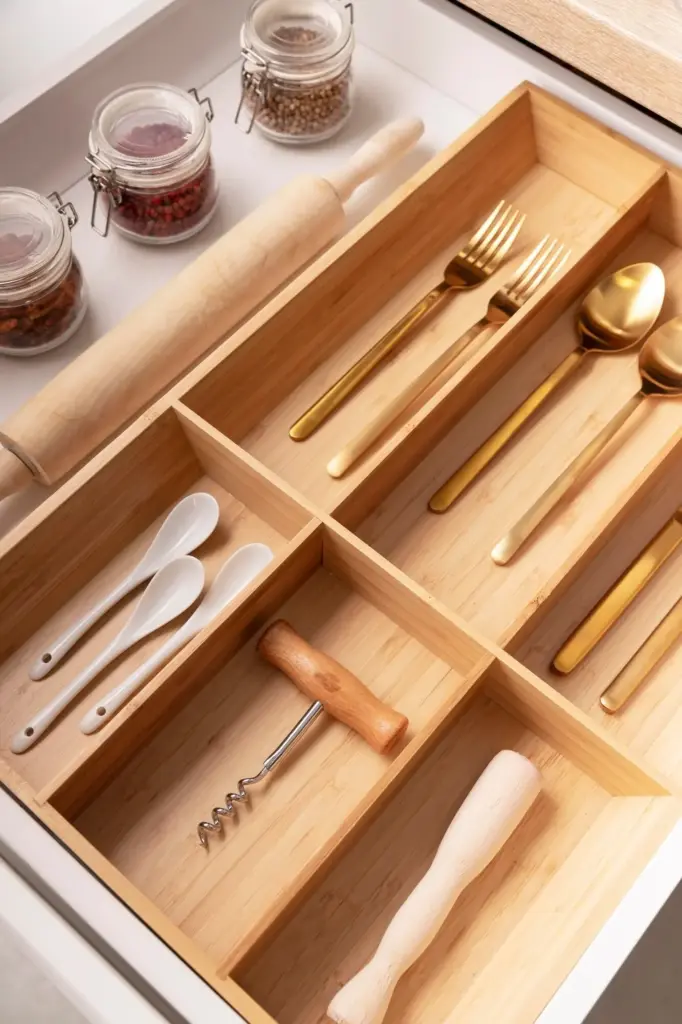
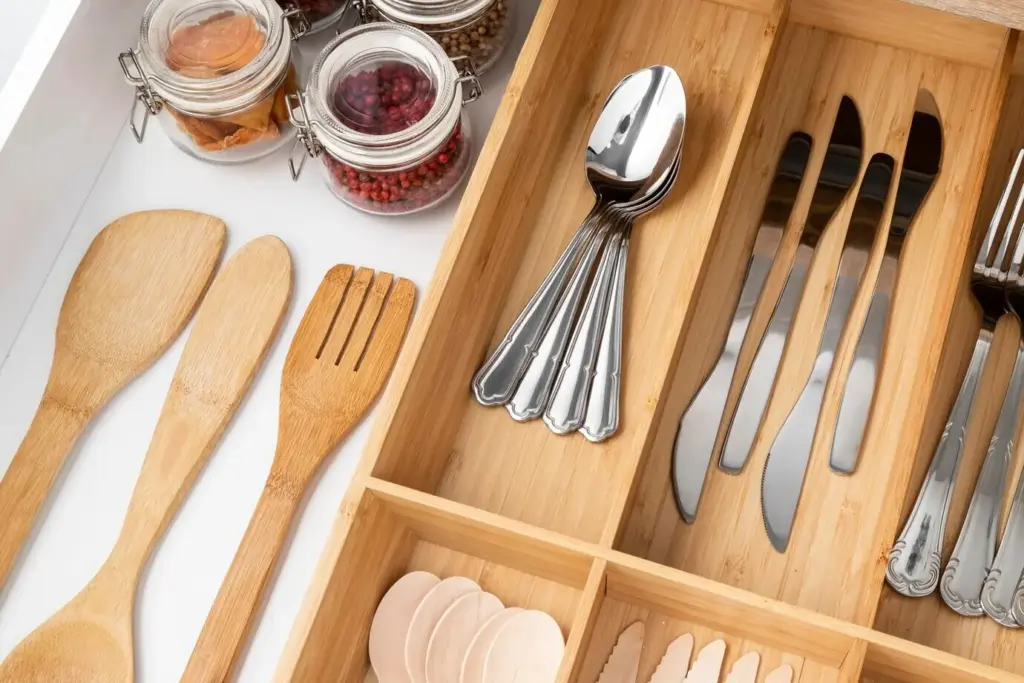
A durable vessel is only as good as its lid, gasket, and threads. Stainless systems often feature robust threading and widely available spare seals. Glass containers may use universal silicone lids or clip mechanisms; check fit and replacements. Bamboo items rarely offer standardized parts, heightening the importance of care. Before buying, confirm spare components and cross‑compatibility, minimizing waste when something small fails and preserving your favorite container’s place in daily routines.
Cleaning Rituals That Actually Work
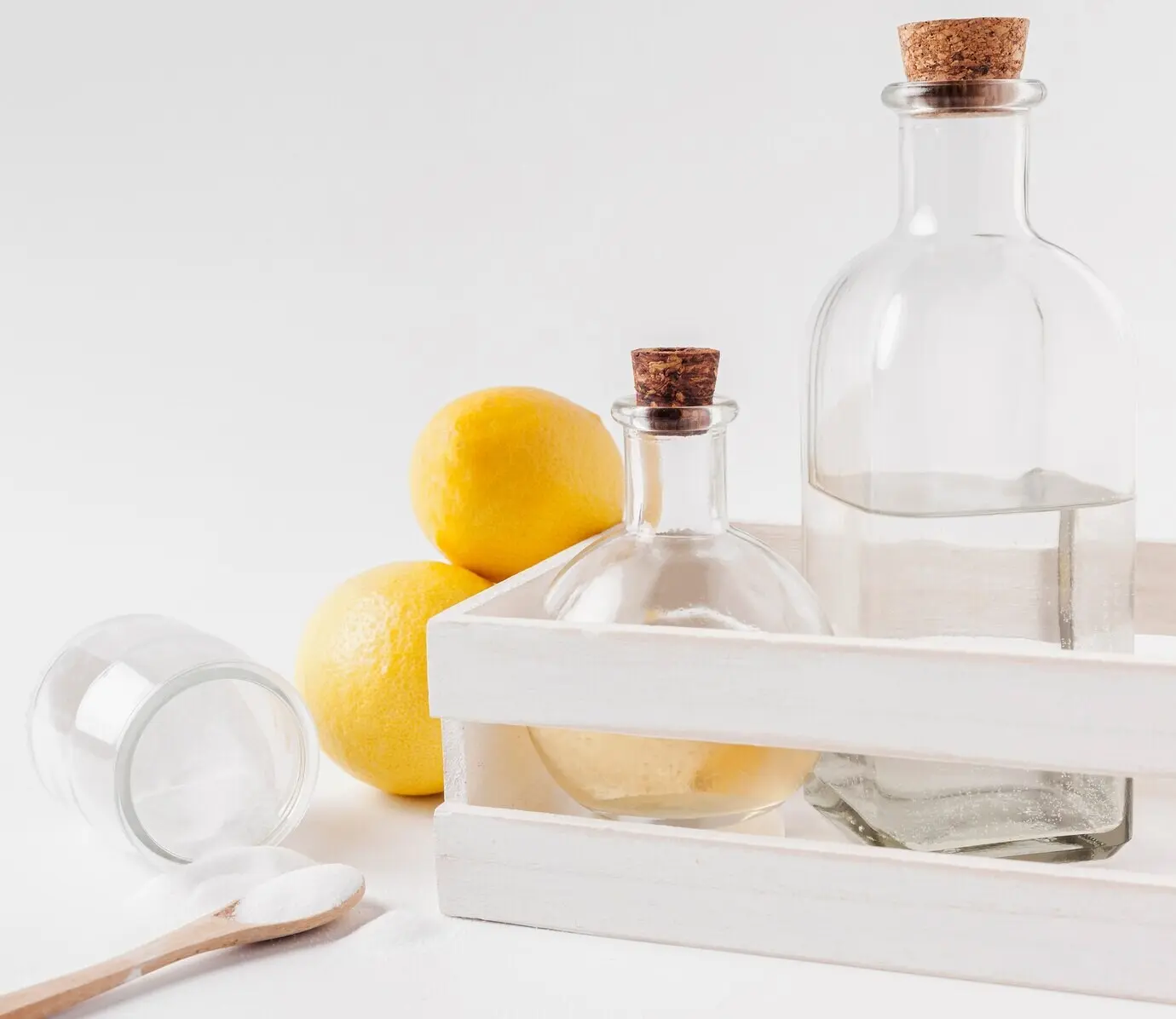
A reliable cleaning plan preserves taste, safety, and pride of ownership. Simple pantry staples—baking soda, vinegar, and lemon—remove odors and haze without harsh chemicals. Thoughtful drying prevents biofilm, and occasional deep treatments reverse stains. Respect manufacturer instructions, especially for insulation, adhesives, and seals. Establish a weekly reset routine so yesterday’s coffee oils or curry aromas never sabotage today’s tea, smoothie, or fresh salad stored for tomorrow’s lunch at work.
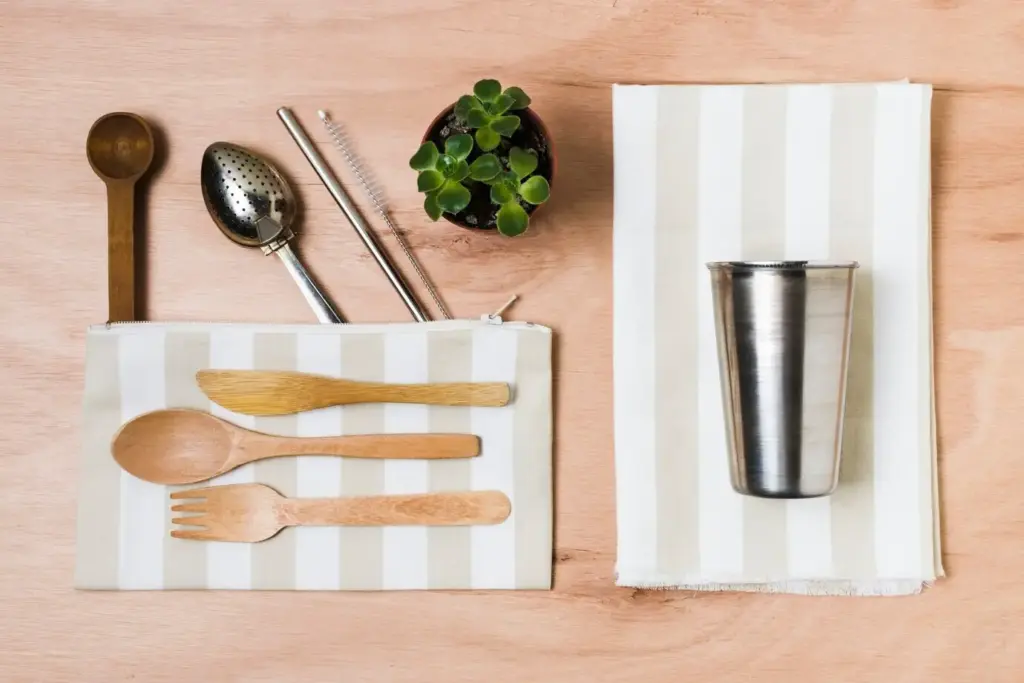
Sustainability and End‑of‑Life Without the Greenwash
Sustainability leans on reality, not slogans. Glass can incorporate recycled cullet and be endlessly recyclable where programs exist. Stainless steel’s high scrap value fuels robust circularity. Bamboo renews rapidly, yet resin systems and mixed materials complicate composting. Local infrastructure matters: choose what you can maintain, repair, and responsibly recycle or repurpose. When in doubt, extend lifespan and share spare parts. Personal habits often outweigh manufacturing differences after dozens or hundreds of reuses.
Glass: Recycled Cullet, Local Loops, and Breakage Reality
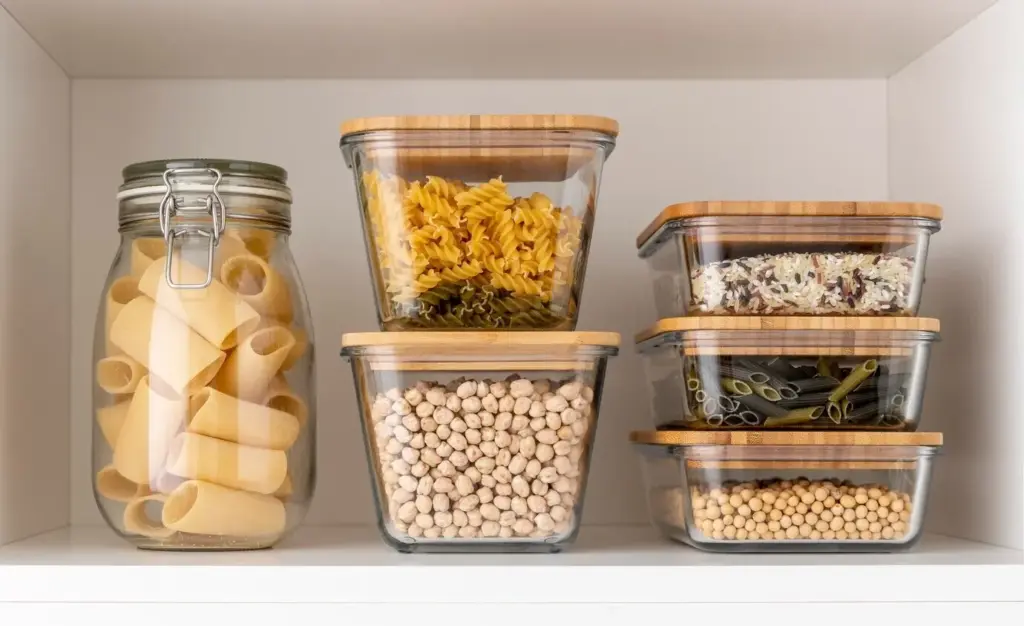
Recycled glass lowers furnace energy demand and preserves clarity in many applications. However, contamination and color sorting can limit options. Breakage risk encourages sleeves or desk‑based use, while jars and containers excel at home meal prep. Check your municipality’s acceptance rules and caps or lid materials. When recycling isn’t possible, repurpose jars for pantry storage, sourdough starters, or seedlings, extending usefulness and avoiding landfill while awaiting better local collection programs.
Steel: Infinite Recyclability, Magnetism, and Real‑World Rates
Stainless steel’s strong scrap market keeps it circulating, with magnets easing sorting in mixed streams. Actual recycling rates vary by region, product size, and collection systems, yet the inherent value supports recovery. Favor unpainted or simple finishes, and replace gaskets instead of whole lids. When items finally retire, contact local metal recyclers. Long service life plus robust end‑of‑life options makes steel a pragmatic anchor for high‑use bottles and food gear.
Bamboo: Renewability, Forestry Standards, and Biodegradability Limits
Bamboo’s rapid growth and minimal inputs feel compelling, but adhesives and coatings determine end‑of‑life. Seek FSC certification and low‑emission binders. Most laminated or resin‑bound items are not backyard compostable; consider repair and reuse before disposal. Upcycle worn boards as plant stands or craft materials. Favor designs with fewer mixed materials, making eventual separation easier. Sustainability improves most when daily care delays replacement, transforming quick growth into genuinely reduced environmental pressure.
Match the Material to Your Routine
Lifestyle clarity ensures your reusable gear earns daily use instead of gathering dust. Think about commuting, desk time, family cooking, and weekend adventures. Balance weight, break resistance, insulation, and taste neutrality. Prioritize replaceable parts so small failures don’t derail habits. Share your favorite pairings in the comments and subscribe for field‑tested checklists, seasonal recommendations, and reader hacks that help everyone waste less, save money, and enjoy every sip and bite more.

All Rights Reserved.